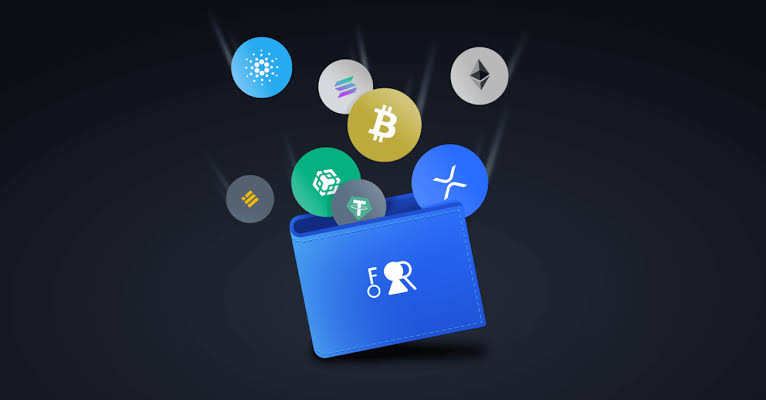
The rapid growth of blockchain technology and digital assets has fueled an increasing demand for secure cryptocurrency wallets. Businesses, startups, and financial institutions are investing in wallet solutions to provide customers with safe and convenient ways to store, send, and receive digital currencies. However, one of the most common questions entrepreneurs ask is: How much does it cost to develop a crypto wallet? The answer depends on several factors, including features, security requirements, platform compatibility, and development complexity.
Choosing an experienced crypto wallet development company is one of the most important decisions when planning a wallet project. A skilled development team can build a secure, scalable, and user-friendly application while helping businesses avoid costly mistakes related to security, compliance, and infrastructure. Although development costs vary, investing in quality development often leads to a more reliable product and lower long-term maintenance expenses.
Many businesses also consider White-label cryptocurrency wallets as a cost-effective alternative to building an application from scratch. White-label solutions provide a ready-made foundation that can be customized with unique branding, features, and integrations. This approach significantly reduces development time while allowing companies to launch their products much faster.
Factors That Influence Crypto Wallet Development Costs
The cost of developing a cryptocurrency wallet depends on numerous technical and business requirements. Understanding these factors helps businesses estimate budgets more accurately.
Wallet Type
Different wallet types require different levels of development effort.
Common wallet categories include:
- Hot wallets
- Cold wallets
- Mobile wallets
- Web wallets
- Desktop wallets
- Hardware wallet integrations
- Multi-currency wallets
A wallet supporting multiple blockchain networks generally requires more development work than one designed for a single cryptocurrency.
Essential Features
The number of features directly affects overall development costs.
Popular wallet features include:
- User registration and authentication
- Secure private key management
- QR code payments
- Multi-currency support
- Real-time balance tracking
- Transaction history
- Push notifications
- Biometric authentication
- Backup and recovery options
- Token swapping
- Staking functionality
Adding advanced capabilities such as decentralized finance (DeFi), NFT support, or cross-chain compatibility can further increase development complexity.
Security Requirements
Security represents one of the largest investments in crypto wallet development.
Essential security features include:
End-to-End Encryption
Sensitive user information should remain encrypted during both storage and transmission.
Multi-Factor Authentication
Additional verification methods improve account protection against unauthorized access.
Secure Key Storage
Private keys should be protected using industry-standard encryption and secure storage techniques.
Fraud Detection
Real-time monitoring helps identify suspicious activity before security incidents occur.
Comprehensive security testing and third-party audits also contribute to development costs but are critical for protecting user assets.
Platform Selection
Businesses must decide which platforms they want to support.
Options include:
- Android
- iOS
- Web applications
- Desktop software
- Cross-platform applications
Developing separate native applications generally costs more than using cross-platform development frameworks.
Blockchain Integration
Wallets must interact with blockchain networks to process transactions and retrieve account balances.
Supporting multiple blockchain ecosystems such as Bitcoin, Ethereum, Solana, Binance Smart Chain, and others increases development complexity because each network has unique technical requirements and APIs.
Compliance and Regulatory Considerations
Depending on the target market, cryptocurrency wallets may need to comply with financial regulations.
Potential compliance requirements include:
- Know Your Customer (KYC)
- Anti-Money Laundering (AML)
- Data privacy regulations
- Financial reporting standards
Meeting these regulatory obligations may require additional development and legal consultation.
Ongoing Maintenance Costs
Development expenses do not end after launch.
Businesses should budget for:
- Security updates
- Bug fixes
- Feature enhancements
- Blockchain network upgrades
- Server maintenance
- Customer support
- Performance optimization
Regular maintenance ensures the wallet remains secure and compatible with evolving blockchain technologies.
How to Reduce Development Costs
Businesses can control expenses without sacrificing quality by following several strategies.
Clearly define project requirements before development begins to avoid costly revisions. Prioritize essential features for the initial release and add advanced functionality through future updates. Leveraging white-label solutions where appropriate can also shorten development timelines and reduce upfront investment.
Partnering with an experienced development team helps prevent technical issues that may become expensive to resolve after deployment.
Final Thoughts
The cost of developing a crypto wallet depends on multiple factors, including security, supported platforms, blockchain integrations, compliance requirements, and desired features. While custom development offers maximum flexibility, white-label solutions provide an attractive option for businesses seeking faster market entry and lower initial costs.
Regardless of the chosen approach, security, scalability, and user experience should remain top priorities. By carefully planning project requirements and working with experienced blockchain professionals, businesses can build reliable cryptocurrency wallet solutions that support long-term growth in the rapidly expanding digital asset ecosystem.