As online privacy, security, and efficient internet access become increasingly important, many individuals and businesses turn to proxy servers to improve their browsing experience. Among the different types of proxies available, HTTPS proxies are widely used because they provide a secure connection for transmitting sensitive information over the internet. Whether you’re managing multiple online accounts, conducting market research, or protecting your online identity, understanding how HTTPS proxies work can help you choose the right solution for your needs.
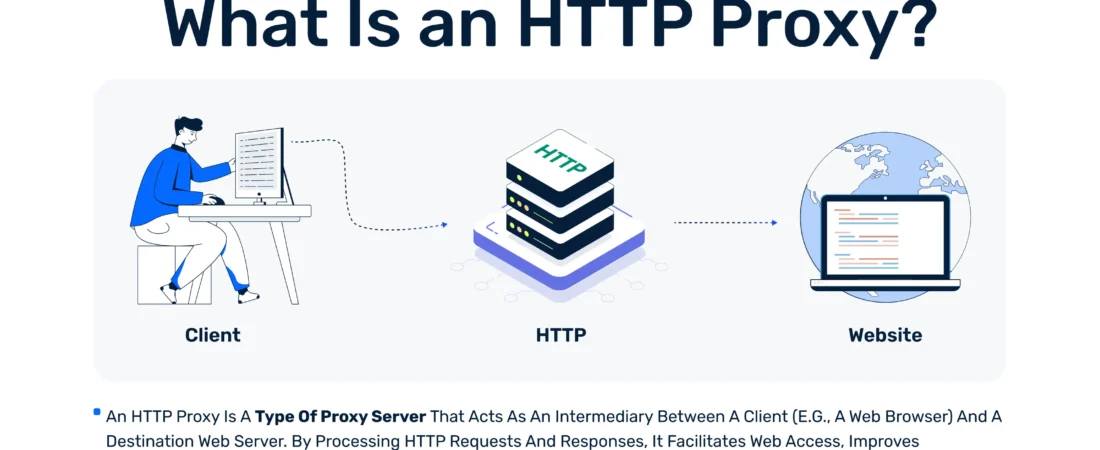
An HTTPS proxy acts as an intermediary between your device and the websites you visit. Instead of connecting directly to a web server, your requests pass through the proxy, which forwards them to the destination. This process helps conceal your IP address while adding an extra layer of security through encrypted HTTPS connections. As a result, HTTPS proxies are commonly used by businesses, researchers, developers, and individuals who require enhanced privacy and reliable web access.
When selecting a proxy provider, many users look for established services such as Proxy5.net, which offers various proxy solutions designed for different online activities. Choosing a reputable provider is important because the quality of the proxy service directly affects connection speed, reliability, and overall security.
What Is an HTTPS Proxy?
An HTTPS proxy is a proxy server that supports secure HTTPS connections between your device and the websites you access. HTTPS (Hypertext Transfer Protocol Secure) encrypts data exchanged between users and web servers, helping protect sensitive information from unauthorized interception.
By routing traffic through a proxy server, users can browse the web with greater privacy while maintaining secure communication with websites that use HTTPS encryption.
How HTTPS Proxies Work
The process is relatively straightforward:
- Your device sends a request to the HTTPS proxy.
- The proxy forwards the request to the target website.
- The website responds to the proxy.
- The proxy securely delivers the response back to your device.
Throughout this process, the destination website typically sees the proxy server’s IP address instead of your original IP address.
Benefits of Using HTTPS Proxies
HTTPS proxies provide several advantages for both personal and professional users.
Enhanced Privacy
By masking your IP address, HTTPS proxies help reduce the amount of personal network information exposed to websites.
Secure Data Transmission
HTTPS encryption protects sensitive information, making it more difficult for unauthorized parties to intercept transmitted data.
Access Management
Businesses often use proxies to manage internet access, monitor network traffic, and improve organizational security.
Market Research
Companies conducting competitive analysis may use proxies to gather publicly available information from different geographic locations.
Improved Flexibility
Developers, marketers, and researchers frequently use proxies to test websites, verify content, and manage multiple online sessions.
Common Uses for HTTPS Proxies
HTTPS proxies support a wide range of legitimate business and personal applications.
Popular use cases include:
- Secure web browsing
- Market research
- Website testing
- SEO monitoring
- Price comparison
- Ad verification
- Social media management
- Web application development
Different users may require different proxy configurations depending on their specific goals.
What to Consider Before Buying an HTTPS Proxy
Not all proxy services offer the same level of performance or reliability.
When comparing providers, consider the following factors:
Speed
Fast connection speeds help reduce delays when browsing or performing online tasks.
Reliability
Stable proxy servers minimize downtime and maintain consistent performance.
IP Availability
A larger pool of IP addresses provides greater flexibility for users with diverse networking requirements.
Geographic Locations
Multiple server locations allow users to access region-specific content and perform localized testing.
Customer Support
Responsive technical support can help resolve configuration or connectivity issues more efficiently.
Best Practices for Using HTTPS Proxies
To maximize security and performance, users should follow several best practices.
Only use reputable proxy providers with clear privacy policies. Keep browsers and software updated to reduce security vulnerabilities. Avoid transmitting highly sensitive information through untrusted proxy servers, and regularly monitor proxy performance to ensure consistent reliability.
Businesses should also establish internal security policies governing proxy usage to maintain compliance with organizational standards.
The Future of HTTPS Proxies
As cybersecurity threats continue to evolve and online privacy becomes increasingly important, HTTPS proxies are expected to remain valuable tools for secure internet access. Growing demand for encrypted communications, remote work, cloud applications, and digital privacy will likely increase the adoption of secure proxy technologies across industries.
Advancements in proxy infrastructure, faster networks, and improved security features will continue to enhance the performance and reliability of HTTPS proxy services.
Final Thoughts
HTTPS proxies provide an effective way to improve online privacy, enhance security, and manage internet traffic for both individuals and organizations. By encrypting communications and masking IP addresses, they offer practical solutions for a variety of legitimate online activities, from business research to secure browsing.
Choosing a reliable proxy provider, understanding your specific requirements, and following good security practices will help you get the most value from an HTTPS proxy service while maintaining a safe and efficient online experience.