
Skirts Waist Tightening In Dip offers a simple yet transformation way to refine your favourite garments. Many people struggle with loose waistbands that ruin an otherwise perfect outfit. This process involves subtle dips and tucks to create a snug, comfortable fit without compromising style.
Exploring why skirts often need waist adjustments reveals common issues like weight fluctuations or manufacturing variances. Fabrics stretch over time, leading to gaps that affect confidence. Addressing these early prevents further wear and extends garment life.
Professional tailors use precise measurements to ensure even tightening. Techniques vary based on material, from cotton to silk, requiring careful handling. Results deliver a polished look that feels custom-made.
Understanding Waist Fit Challenges in Skirts
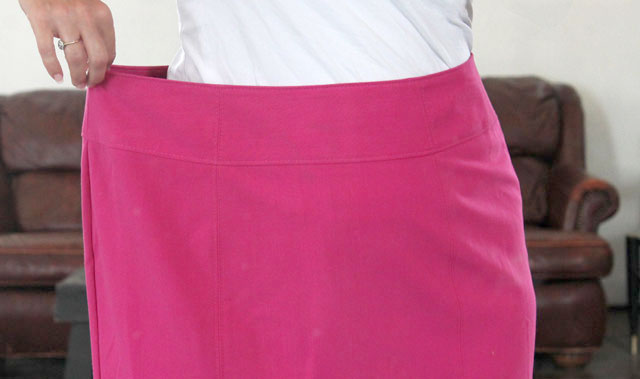
Loose waists create unflattering bunches and constant adjustments during wear. Body shapes change, making once-perfect skirts feel awkward. Recognizing these signs prompts timely interventions for better daily comfort.
Fabric types influence how waists behave. Stretchy materials like spandex forgive minor issues, while rigid ones like denim demand more structured fixes. Matching the method to the skirt ensures lasting results.
Weight loss or gain often necessitates alterations. Post-pregnancy changes or fitness routines alter proportions significantly. Tailored dips help restore balance without replacing entire wardrobes.
Popular Methods for Tightening Skirt Waists
Basic sewing techniques start with pinning excess fabric inward. Creating small darts forms natural contours around the hips. This approach works well for beginners seeking quick improvements.
Elastic insertions provide flexible solutions for casual skirts. Threading thin bands through casings allows adjustable tightness. Such methods suit everyday wear where comfort ranks high.
Advanced pleating involves folding fabric strategically at the waistline. This adds decorative elements while reducing circumference. Skilled hands achieve seamless integrations that enhance overall design.
DIY Steps for Effective Waist Adjustments
Gather tools like needles, thread, and measuring tape before starting. Accurate body measurements prevent uneven results. Mark points symmetrically to maintain skirt symmetry.
Remove existing stitches carefully along the waistband. Fold in excess material, securing with pins. Sew along marked lines using sturdy stitches for durability.
Test the fit multiple times during the process. Adjustments mid-way catch errors early. Iron the seams flat for a professional finish that blends naturally.
- Measure waist and skirt circumference accurately.
- Choose thread matching the fabric color.
- Use a sewing machine for faster, even stitches.
- Practice on scrap fabric to build confidence.
When to Seek Professional Tailoring Services
Complex fabrics like leather or sequined materials require expert handling. Amateurs risk damaging delicate threads or patterns. Professionals ensure precision without visible alterations.
Tailor Dip specializes in customized waist tightening solutions. Their experienced team handles diverse skirt styles efficiently. Clients receive personalized consultations for optimal outcomes.
Turnaround times vary, but quality remains consistent. Investing in such services saves time and avoids costly mistakes. Altered garments feel like new additions to collections.
Common Mistakes in Skirt Waist Tightening
Over-tightening leads to discomfort and restricted movement. Aim for a snug yet breathable fit. Excessive pulling strains seams, causing tears over time.
Ignoring fabric grain distorts shapes unnaturally. Always align adjustments with natural flows. This preserves drape and prevents puckering.
Skipping reinforcements weakens new stitches. Adding interfacing bolsters areas under stress. Proper preparation extends the lifespan of modifications.
Benefits of Proper Waist Adjustments
Enhanced silhouettes boost self-assurance in social settings. Well-fitted skirts complement body types flawlessly. This elevates personal style without extensive shopping.
Sustainability improves through garment longevity. Reducing waste aligns with eco-friendly practices. Repurposing favorites minimizes environmental impact effectively.
Versatility increases as skirts suit more occasions. From office to evenings, adjustments adapt pieces seamlessly. This maximizes wardrobe utility economically.
Choosing the Right Tools and Materials
Quality needles prevent fabric snags during sewing. Opt for sizes suited to material thickness. Sharp points ensure smooth penetrations without pulls.
Threads should match tensile strength requirements. Polyester blends offer durability for frequent wear. Natural fibers suit breathable summer skirts ideally.
Measuring tools like flexible tapes provide accurate readings. Chalk markers allow temporary guidelines easily erased. These essentials streamline the tightening process.
Tailoring Techniques for Different Skirt Styles
A-line skirts benefit from side seam reductions. This maintains flare while cinching waists. Balanced tucks preserve movement freedom gracefully.
Pencil skirts require back dart additions often. These create contours hugging curves naturally. Front adjustments remain minimal to avoid bulkiness.
Maxi skirts involve elastic or drawstring integrations frequently. Length considerations prevent tripping hazards. Layered fabrics demand careful handling throughout.
Maintaining Your Altered Skirts
Regular cleaning preserves stitch integrity post-alteration. Follow care labels to avoid shrinkage. Gentle cycles protect delicate seams effectively.
Storage on hangers prevents creases at waists. Use padded versions for heavier fabrics. This maintains shapes between wears reliably.
Periodic checks spot loosening early. Minor tweaks keep fits consistent. Proactive maintenance ensures long-term satisfaction with changes.
Exploring Advanced Alteration Options
Combining waist tightening with hem adjustments refines overall proportions. This creates cohesive looks from top to bottom. Experts recommend simultaneous changes for harmony.
Incorporating linings enhances comfort in fitted designs. Smooth interiors reduce chafing during extended wear. Materials like silk add luxurious touches subtly.
Custom embellishments personalize tightened waists. Beads or embroidery mask alteration points creatively. This transforms basic skirts into statement pieces.
Impact on Fashion and Personal Style
Refined fits influence outfit pairings positively. Tightened waists allow bolder top choices. This expands styling possibilities endlessly.
Confidence surges with garments that flatter naturally. Social interactions improve as distractions fade. Personal expression thrives through curated wardrobes.
Trends evolve, but classic fits endure. Adjustments keep timeless pieces relevant. This bridges vintage and modern aesthetics seamlessly.
Integrating Technology in Tailoring
Digital measuring apps assist in precise calculations. These tools reduce human error significantly. Integration speeds up initial assessments effectively.
Online tutorials guide DIY enthusiasts step-by-step. Visual aids clarify complex techniques. Communities share experiences for collective learning.
Virtual fittings from services like Tailor Dip offer remote consultations. This convenience suits busy schedules perfectly. Technology bridges gaps in traditional tailoring.
Seasonal Considerations for Skirt Adjustments
Summer fabrics like linen require looser fits initially. Heat causes swelling, demanding flexible tightenings. Breathable materials prioritize comfort always.
Winter layers add bulk under skirts often. Adjustments account for tights or thermals. Warmer fabrics like wool handle cinching robustly.
Transitional seasons benefit from versatile designs. Quick-release mechanisms allow adaptability. This ensures year-round usability without frequent changes.
Cost-Effective Strategies for Waist Tightening
Budget-friendly DIY kits provide essential supplies affordably. Online retailers offer bundles for beginners. Savings accumulate over multiple projects.
Group classes teach skills economically. Shared resources lower individual costs. Networking builds support for future endeavors.
Professional deals from seasonal promotions reduce expenses. Tailor Dip occasionally offers packages for multiple items. Planning ahead maximizes value.
Enhancing Comfort Through Precise Fits
Snug waists eliminate constant tugging annoyances. Movement feels natural without restrictions. Daily activities proceed smoothly in adjusted attire.
Breathability improves with even distributions. Airflow prevents overheating in warm climates. Comfort becomes a priority in alterations.
Ergonomic designs consider posture impacts. Balanced tightenings support better alignments. Long-term wear benefits health subtly.
Creative Ways to Upcycle Skirts
Transform oversized skirts through waist dips creatively. Add belts for additional cinching options. This revives forgotten wardrobe items effectively.
Mix fabrics from multiple pieces innovatively. Patchwork waists create unique aesthetics. Upcycling promotes sustainability in fashion circles.
Donate altered but unused skirts charitably. Community programs appreciate quality donations. This extends garment lives beyond personal use.
Future Trends in Skirt Tailoring
Sustainable materials drive innovation in adjustments. Eco-fabrics require specialized techniques. Industry shifts emphasize green practices increasingly.
Smart textiles integrate adjustable features digitally. Apps control tightness levels remotely. Futuristic designs blend fashion with technology seamlessly.
Personalization reaches new heights through AI consultations. Predictive modeling suggests optimal fits. Tailoring evolves into precise, data-driven arts.
FAQs
What materials work best for skirts waist tightening in dip?
Cotton and blends respond well to dip methods due to flexibility. Avoid very stiff fabrics initially. Professional assessment helps determine suitability.
How long does a professional waist tightening take?
Typically, it requires one to two days depending on complexity. Rush services accelerate processes. Quality remains uncompromised in standard timelines.
Can waist tightening be reversed if needed?
Yes, most alterations allow reversals with minimal traces. Skilled tailors preserve original seams. Future expansions become straightforward accordingly.
Reflecting on Wardrobe Transformations
Adjusted skirts redefine personal collections dramatically. Small changes yield significant style upgrades. Embracing these techniques fosters lasting appreciation for tailored fits.
Exploring options opens doors to creativity endlessly. From basics to advanced, possibilities abound. Tailored dips empower confident expressions daily.