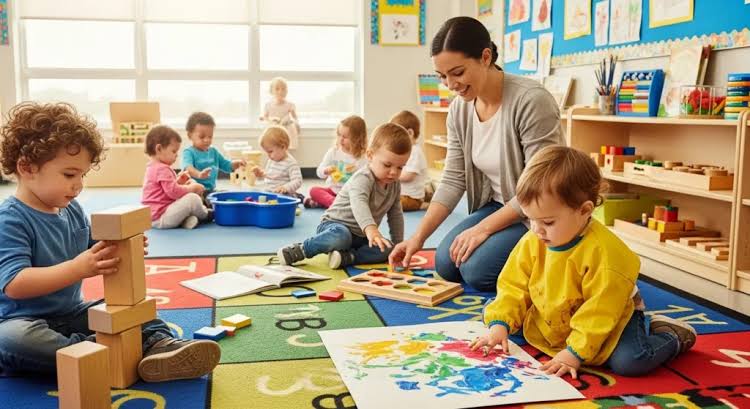
Every parent wants to give their child the best possible start in life, and learning through play is one of the most effective ways to support early development. Free learning games have become increasingly popular because they combine entertainment with education, helping children build essential skills while having fun. From improving memory and problem-solving abilities to developing language and creativity, these games offer countless benefits for young learners.
As technology becomes a bigger part of children’s daily lives, choosing high-quality educational resources is more important than ever. Parents looking for interactive and child-friendly activities can explore binibambini.com, where children can enjoy engaging games designed to make learning exciting. The platform offers age-appropriate educational content that encourages curiosity, creativity, and cognitive development in a safe digital environment.
Why Learning Games Matter in Early Childhood
Early childhood is a crucial stage for brain development. During these formative years, children absorb information quickly and develop the foundational skills they will use throughout their lives. Educational games provide opportunities to strengthen these abilities through interactive challenges that keep young minds engaged.
Unlike traditional learning methods, games motivate children through rewards, colorful visuals, and fun activities. This positive reinforcement helps maintain attention while encouraging children to continue learning independently.
Benefits of Free Educational Games
Free learning games offer several advantages for both children and parents. Since they are easily accessible, families can provide valuable learning experiences without spending money on expensive educational materials.
Some of the key benefits include:
- Improving memory and concentration.
- Enhancing language and vocabulary skills.
- Developing logical thinking and problem-solving abilities.
- Encouraging creativity and imagination.
- Building confidence through gradual skill progression.
- Supporting fine motor skill development.
These educational experiences create a balanced combination of entertainment and meaningful learning.
Types of Learning Games for Early Development
Different educational games focus on different developmental areas. Selecting a variety of games helps children develop a broad range of skills.
Alphabet and Reading Games
Letter recognition, phonics, and simple word-building games introduce children to reading fundamentals. Interactive storytelling also helps improve listening and comprehension skills.
Math and Number Games
Basic counting, number recognition, shape matching, and simple addition games make mathematics less intimidating while encouraging logical thinking.
Puzzle and Problem-Solving Games
Jigsaw puzzles, matching games, and pattern recognition activities strengthen memory, concentration, and analytical skills.
Creativity Games
Drawing, coloring, music, and storytelling activities encourage self-expression while improving hand-eye coordination and imagination.
Science and Discovery Games
Simple experiments, nature exploration, and educational quizzes introduce children to science concepts in a fun and engaging way.
How Parents Can Maximize Learning
Although educational games are valuable, parental involvement significantly enhances their effectiveness. Playing together allows parents to guide learning, answer questions, and celebrate achievements.
Parents can also:
- Set healthy screen-time limits.
- Choose age-appropriate educational games.
- Encourage children to explain what they have learned.
- Balance digital activities with outdoor play and hands-on learning.
- Praise effort rather than perfection to build confidence.
This balanced approach helps children enjoy learning while developing healthy habits.
Features to Look for in Educational Games
Not all learning games provide the same educational value. High-quality games should offer interactive lessons, colorful visuals, clear instructions, and age-appropriate challenges.
The best educational games also avoid excessive advertisements and maintain a child-safe environment where learning remains the primary focus. Progress tracking and adaptive difficulty levels further enhance the learning experience by allowing children to advance at their own pace.
Creating a Love for Lifelong Learning
The ultimate goal of educational games is not simply to teach numbers or letters but to inspire curiosity and a lifelong passion for learning. Children who associate education with enjoyment are often more motivated to explore new subjects, ask questions, and develop independent thinking skills.
By combining fun with meaningful educational activities, free learning games create positive learning experiences that benefit children well beyond their early years.
Conclusion
Engaging and educational free learning games provide an excellent foundation for early childhood development. They help children improve cognitive, social, emotional, and creative skills while making learning enjoyable and interactive. With the right balance of guidance, quality educational content, and playful exploration, young learners can build confidence and develop essential skills that prepare them for future academic success. Investing time in educational games today can create a lasting love of learning that supports a child’s growth for years to come.