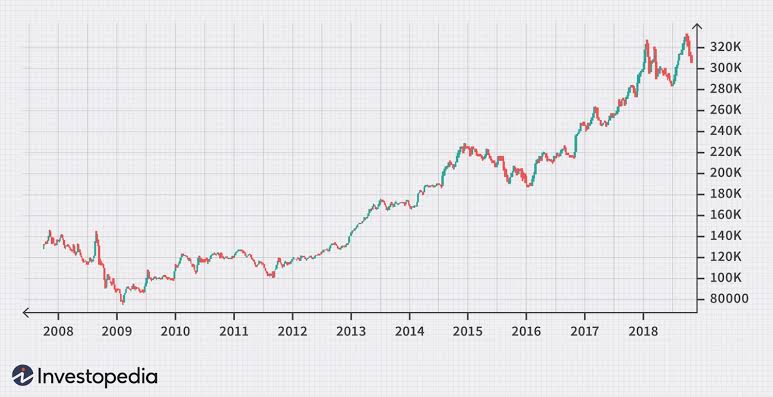
The stock market plays a vital role in the global economy, offering individuals and institutions the opportunity to invest in publicly traded companies. One of the first things investors pay attention to is a company’s stock price, as it reflects the current market value of its shares. However, a stock’s price alone does not determine whether it is a good investment. Understanding the factors that influence price movements can help investors make more informed financial decisions and build stronger long-term investment strategies.
Monitoring the stock price of companies you’re interested in allows you to identify market trends, evaluate investment opportunities, and decide the right time to buy or sell shares. While daily price fluctuations are normal, experienced investors focus on long-term business performance rather than reacting to every short-term movement in the market.
Before purchasing shares, investors also need a trading account, which serves as the gateway for buying and selling securities through a licensed brokerage. A well-designed trading platform provides access to market data, research tools, portfolio management features, and order execution, making it easier to participate in the stock market.
What Is a Stock Price?
A stock price is the current market value of one share in a publicly traded company. It changes continuously throughout the trading day based on the balance between buyers and sellers.
When more investors want to buy a stock than sell it, demand increases, often pushing the price higher. Conversely, when more investors sell than buy, the stock price may decline.
Stock prices are determined by market activity rather than being fixed by the company itself.
Factors That Influence Stock Prices
Numerous factors can affect the value of a company’s shares.
Company Performance
Strong financial results, increasing revenue, and growing profits often encourage investor confidence and may contribute to higher stock prices.
Economic Conditions
Interest rates, inflation, employment data, and overall economic growth can influence investor sentiment and market performance.
Industry Trends
Changes within a specific industry, such as technological advancements or regulatory developments, can impact companies operating in that sector.
Market Sentiment
Investor confidence, media coverage, and global events frequently influence buying and selling decisions, sometimes causing significant price volatility.
Company News
Announcements involving new products, acquisitions, leadership changes, or quarterly earnings reports often affect stock prices immediately.
Why Stock Prices Fluctuate Daily
Daily price movements are a natural part of financial markets.
Reasons for short-term fluctuations include:
- Earnings announcements
- Economic reports
- Interest rate decisions
- Political developments
- Investor expectations
- Global market events
- Institutional buying and selling
These movements do not always reflect a company’s long-term financial health.
Looking Beyond the Share Price
A high stock price does not necessarily mean a company is expensive, just as a low share price does not automatically indicate a bargain.
Investors should also evaluate:
- Revenue growth
- Profit margins
- Debt levels
- Cash flow
- Competitive position
- Dividend history
- Future growth potential
Fundamental analysis provides a more complete understanding of a company’s overall value.
The Importance of Diversification
Rather than investing all available funds into one company, many investors spread their investments across multiple industries and asset classes.
Diversification helps reduce risk because poor performance in one investment may be offset by stronger performance in others.
A balanced portfolio often includes companies from different sectors such as technology, healthcare, finance, consumer goods, and energy.
Tips for New Investors
If you’re beginning your investing journey, consider following these practical guidelines:
- Set clear financial goals.
- Invest regularly instead of trying to time the market.
- Research companies before buying shares.
- Focus on long-term growth rather than daily price swings.
- Review your portfolio periodically.
- Continue learning about investing and financial markets.
Patience and consistency are often more valuable than attempting to predict short-term market movements.
Common Mistakes to Avoid
New investors sometimes make decisions based on emotions rather than research.
Common mistakes include:
- Chasing rapidly rising stocks
- Selling during temporary market declines
- Ignoring company fundamentals
- Investing without diversification
- Following rumors instead of reliable information
Avoiding these habits can contribute to better long-term investment outcomes.
Final Thoughts
Understanding stock prices is an essential part of becoming a successful investor. While market prices change every day, long-term investment success depends on evaluating business fundamentals, maintaining a diversified portfolio, and following a disciplined investment strategy.
By combining careful research with sound financial planning, investors can make more informed decisions and navigate market fluctuations with greater confidence. Whether you’re building your first investment portfolio or expanding an existing one, understanding how stock prices work is a valuable step toward achieving your financial goals.